Embarking on a home improvement journey requires understanding many components, some as intricate as gutter elbows. Today we'll demystify the mystery of Gutter A Elbow vs B Elbow and provide a comprehensive look into their roles in rainwater management.
The Fundamental Role of Gutter Elbows in Rainwater Management

The Art of Rainwater Diversion
Rain gutter systems are more than simple channels attached to the edge of your roof. They are crucial players in maintaining the structural integrity of your home. Gutter elbows, in particular, are key devices in the rainwater management strategy.
Gutter elbows, sometimes referred to as guttering angles, are bent pieces of piping that help change the direction of water flow in the gutter system. They are the 'traffic cops' of your gutter system, diverting water around corners and towards safe drainage areas.
The Impact of Gutter Elbows on Home Maintenance
Their subtle yet significant role ensures that rainwater is guided away from your home's foundation, protecting it from potential water damage. The absence of suitable gutter elbows can result in improper water flow, causing soil erosion, leaky basements, and even damage to the house's foundation.
Now, with the importance of gutter elbows established, let's delve into two key variants: the Gutter A Elbow and the Gutter B Elbow.
Dissecting the Gutter A Elbow: Key Features and Functions
The Unique Characteristics of the Gutter A Elbow
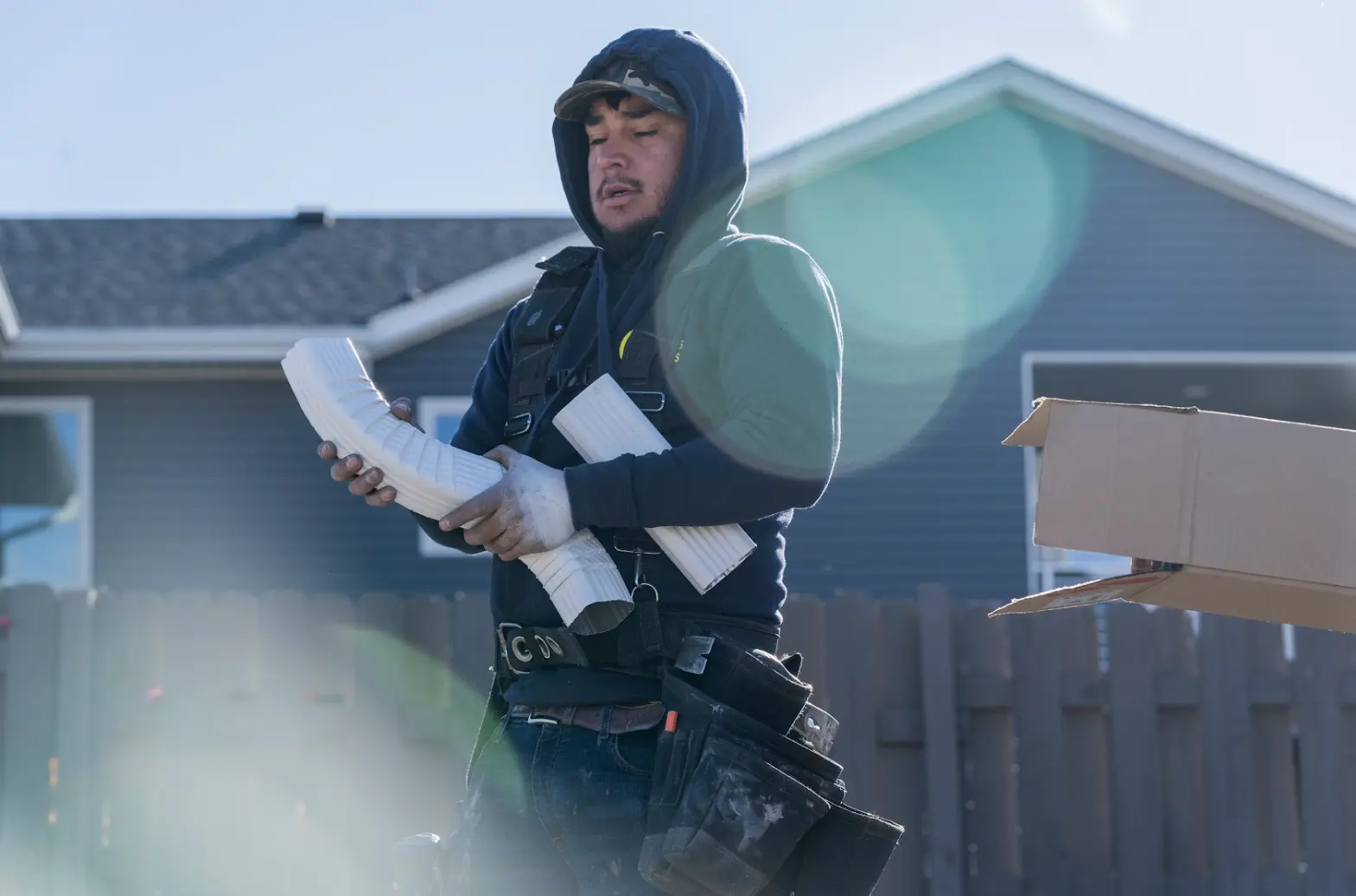
The Gutter A Elbow, also known as the 'side elbow,' is designed with a specific function in mind. It generally features an angle of around 70 to 75 degrees. This makes the Gutter A Elbow perfect for situations where a slight, gentle redirection of water is required, rather than a sharp turn.
Practical Applications and Ideal Use Cases for Gutter A Elbow
The Gutter A Elbow is typically used at the top and bottom of downspouts, facilitating a smooth, sideways water flow either towards or away from the building's walls. These elbows are crucial when the downspout needs to be directed along the house wall or into a drain pipe.
Understanding the Gutter B Elbow: Design and Purposes
The Defining Features of the Gutter B Elbow
Shifting our focus to the Gutter B Elbow, also known as the 'bottom elbow,' we discover a different design and purpose. The Gutter B Elbow is designed to create a sharp, 90-degree angle, providing a more direct and steep redirection of water.
Where and Why to Use Gutter B Elbow
These types of elbows are often employed at the bottom of downspouts to quickly and sharply direct the water away from your home's foundation. The B Elbow ensures that water is expelled far enough away to prevent any potential structural damage.
Comparative Analysis: A Elbow vs B Elbow
With an understanding of both types of elbows, let's venture into a comparative analysis.
Differentiating Aspects Between A Elbow and B Elbow
Though they may appear similar at first glance, the key differentiation between the A and B Elbows is the angle they create and their location in the gutter system. A Elbows guide the water flow in a slight turn, typically used at the top and bottom of downspouts for sidewards redirection. On the other hand, B Elbows offer a sharp, right-angle turn, most commonly used at the downspout base to steer water away from the foundation.
Shared Characteristics and Similar Goals of A and B Elbows
Despite their differences, both types of elbows share the common goal of diverting water and aiding the efficient functioning of the gutter system. They are both integral parts of the rainwater management system, serving to protect your home from water damage and contributing to its overall maintenance.
How to Choose Between Gutter A Elbow and B Elbow
Evaluating Factors for Gutter Elbow Selection
The choice between A and B Elbows hinges on a few key considerations, including the specific needs of your gutter system, the angle of redirection required, and the positioning of your downspouts. A professional inspection can often guide this decision, taking into account the unique architectural aspects of your home and the local climatic conditions.
Wrapping Up the A Elbow vs B Elbow Debate
We've delved deep into the world of gutter elbows, unraveling their crucial role in effective rainwater management. Whether you opt for A Elbow or B Elbow, remember that they both serve the common goal of protecting your home from potential water damage.
Remember, proper gutter maintenance and appropriate selection of components are more than just home improvement measures. They're investments in the longevity of your home.
FAQs
What is the main difference between Gutter A Elbow and B Elbow?
The main difference lies in their design and purpose. A Elbow is designed for a slight, sideways turn, while B Elbow provides a sharp, downward redirection of water.
Can I use both A and B Elbows in my gutter system?
Yes, depending on the specific needs of your gutter system, you may require both A and B Elbows.
How do I know which elbow to use where in my gutter system?
Typically, A Elbows are used at the top and bottom of downspouts for sidewards redirection, while B Elbows are used at the downspout base to steer water away from the foundation.
Can I install gutter elbows on my own?
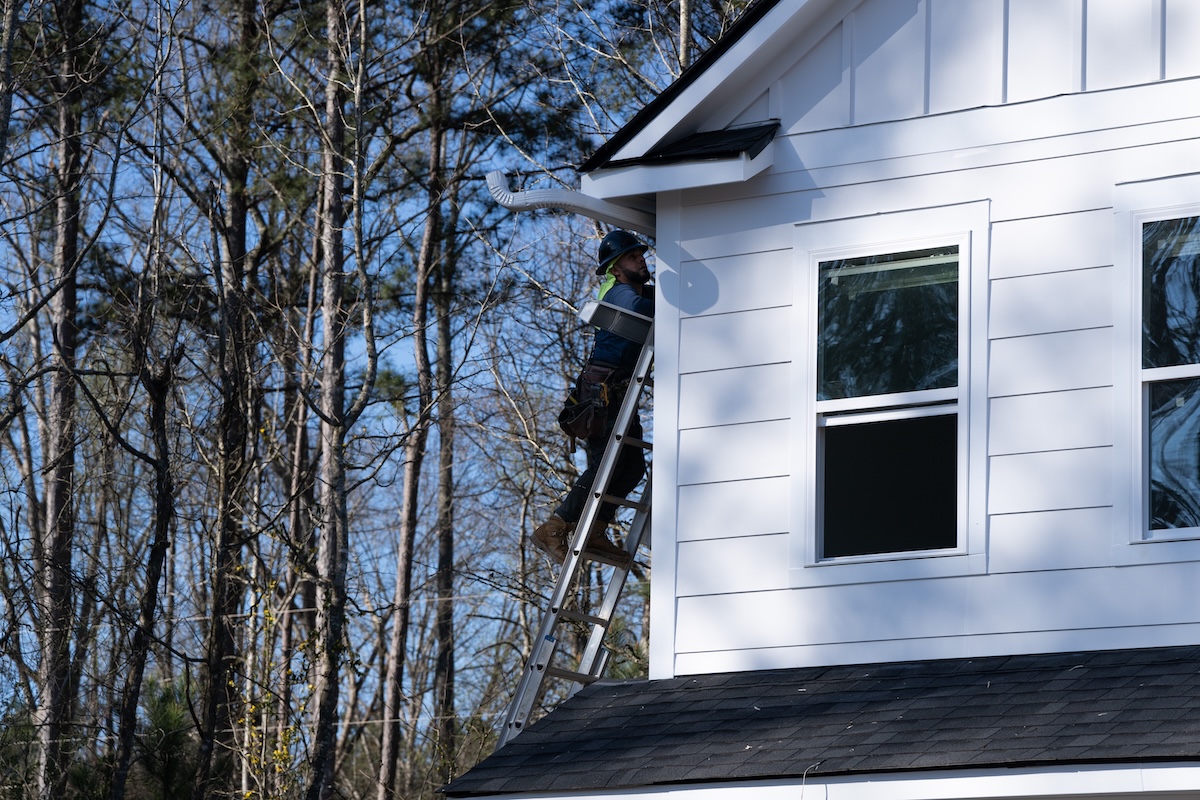
While it is possible, professional installation is always recommended to ensure efficient water management and to avoid potential damage to your home.
What happens if I don't install gutter elbows?
Without proper gutter elbows, water can cause soil erosion, leaky basements, or even damage your home's foundation.
.jpg)

