Ever heard the saying, "It's all about the little details"? Well, when it comes to home maintenance, this couldn't be truer. Let's talk about a tiny detail that plays a huge role in keeping your home damage-free: the gutter drip edge.
What is a Gutter Drip Edge?
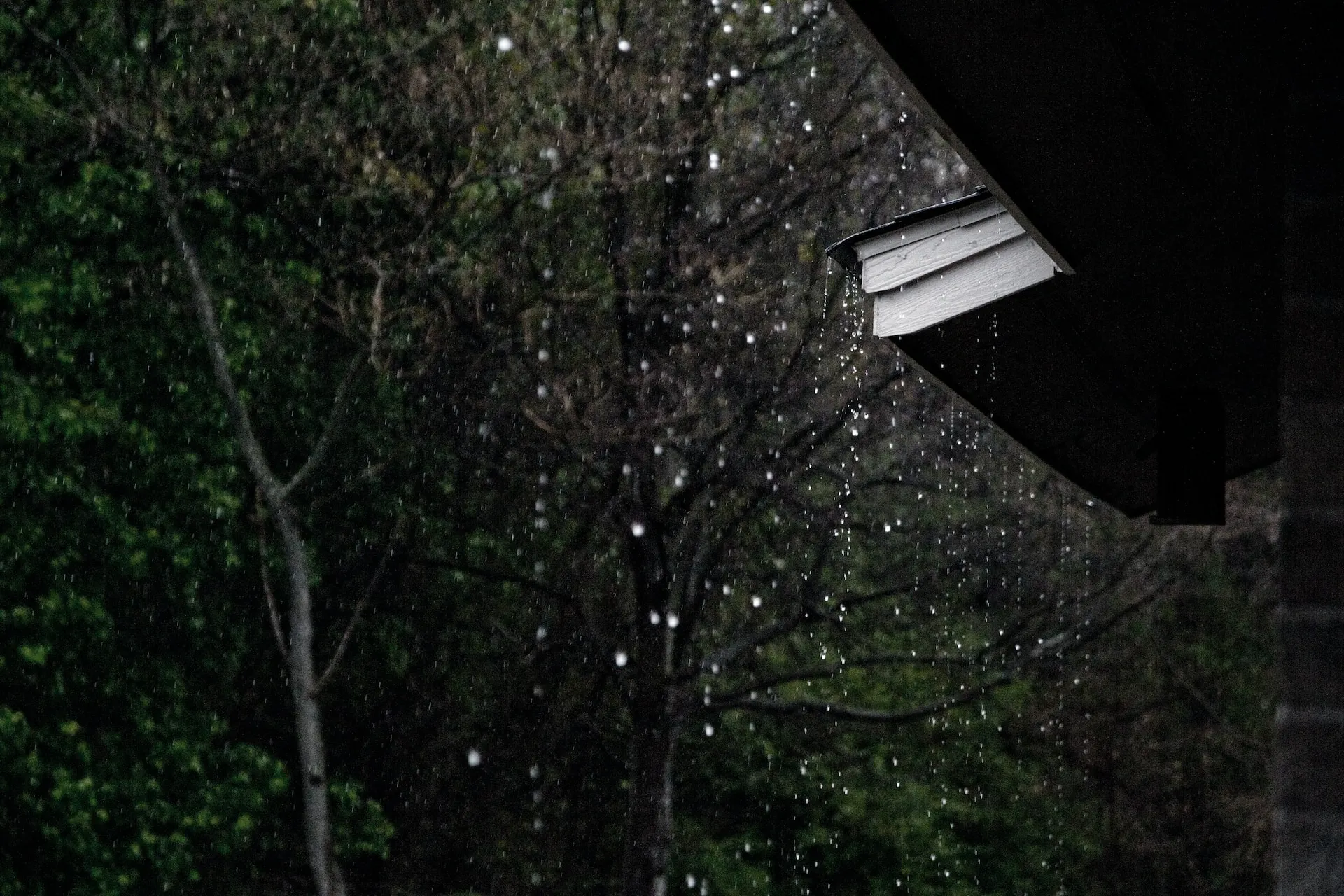
The gutter drip edge is a piece of material, typically metal, that gets attached to the edge of the roof and guides the rainwater directly into the gutter. Think of it as a shield; it ensures that the water doesn't spill over the back of the gutter, preventing it from damaging the foundation or siding of your home.
The Importance of Gutter Drip Edges
Why all the fuss over a small piece of material? Simple! Water can be deceptive. Left uncontrolled, it can lead to mold growth, rotting of wooden parts, and even foundation damage. A gutter drip edge ensures water goes where it's supposed to.
Types of Gutter Drip Edges
There's no one-size-fits-all. Depending on the aesthetic and functionality you're going for, there are various types to consider.
Aluminum Drip Edges
Lightweight and resistant to rust. Aluminum is a popular choice, especially for those who're budget-conscious.
Vinyl Drip Edges
Cost-effective and versatile. They come in various colors and are perfect for homeowners who want a consistent look.
Copper Drip Edges
Elegant and durable. Although they can be pricier, their longevity and aesthetics make it a worthwhile investment.
Installation Process
Once you've chosen your type, it's time for installation. Proper installation ensures optimal functionality.
Selecting the Right Size
Make sure the drip edge fits snugly against your roof. Too big or too small, and you could have issues down the line.
Necessary Tools
Typically, you'll need nails, a hammer, and possibly a metal cutter or snips.
Step-by-step Installation
- Start by cleaning your roof edge.
- Align the drip edge with the edge of your roof.
- Nail it down at intervals, ensuring it's secure.
- Ensure it leads water directly into the gutter.
Benefits of Installing a Drip Edge
- Prevents water damage
- Enhances gutter efficiency
- Reduces the risk of foundation problems
- Increases the lifespan of your gutter system
Potential Issues without a Gutter Drip Edge
Without it, expect issues like soil erosion around the foundation, basement leaks, and even potential siding damage.
Maintenance and Care Tips
Check for any signs of wear or damage periodically. Clean it to ensure there are no obstructions, ensuring water flows freely.
Costs Involved
The cost largely depends on the material and size. Always factor in installation costs if you're not going the DIY route.
A gutter drip edge might seem inconspicuous, but its role in protecting your home is monumental. By directing water away, it not only ensures a longer lifespan for your gutters but also a damage-free home. So, isn't it worth the investment?
FAQs about Gutter Drip Edge
Do all homes need a gutter drip edge?
While not all homes have them, it's a recommended addition to prevent potential water damage.
Can I install a gutter drip edge myself?
Yes, with the right tools and guidance, it's a feasible DIY project.
How often should I check my gutter drip edge?
It's good practice to inspect it at least twice a year or after significant weather events.
Will the gutter drip edge affect the appearance of my home?
Most drip edges are designed to blend seamlessly with the home's aesthetics.
What if my gutter drip edge gets damaged?
Small damages might be repairable, but if there's significant wear or damage, it's best to replace the affected section.
.jpg)

