Introduction to Gutter Systems
Gutters are an essential part of your home, responsible for collecting and diverting rainwater away from the structure. A properly functioning gutter system protects your foundation, siding, and landscaping from water damage. This guide will provide you with valuable tips and a step-by-step process for gutter system installation.
Types of Gutter Systems

Aluminum Gutters
Aluminum gutters are lightweight, rust-resistant, and easy to install. They come in various colors and can be painted to match your home's exterior. However, aluminum gutters can be prone to denting and may not be suitable for areas with heavy snowfall.
Vinyl Gutters
Vinyl gutters are another lightweight option that is easy to install and maintain. They are resistant to rust and rot, making them a popular choice for homeowners. However, vinyl gutters can become brittle over time, especially in colder climates.
Steel Gutters
Steel gutters are known for their durability and strength. They can withstand heavy snow and ice loads, making them an excellent choice for areas with harsh winter conditions. However, they are prone to rust if not properly maintained and can be more challenging to install due to their weight.
Copper Gutters
Copper gutters are a premium option that adds an elegant touch to your home. They develop a natural patina over time, giving them a unique appearance. Copper gutters are long-lasting and require minimal maintenance, but they are also more expensive than other materials.
Zinc Gutters
Zinc gutters are similar to copper gutters in terms of durability and appearance. They also develop a patina over time, adding to their visual appeal. Zinc gutters are low-maintenance and long-lasting, but like copper gutters, they come with a higher price tag.
Tools and Materials Needed for Gutter Installation
Before starting your gutter installation project, gather the necessary tools and materials, including:
- Ladder
- Measuring tape
- Gutter sections, downspouts, and brackets
- Hacksaw or tin snips
- Power drill and drill bits
- Screws and anchors
- Sealant
- Gloves, safety goggles, and other personal protective equipment
Planning and Preparations
Measuring Your Roof
To ensure you have the right amount of gutter material and proper placement of downspouts, start by measuring your roof's dimensions. Measure the length of each roof edge where gutters will be installed, noting any corners or angles. Also, identify locations for downspouts, typically near corners and at least every 40 feet along the gutter run.
Calculating Gutter Length and Quantity
Using the roof measurements, calculate the total gutter length required. Add an extra 10% to account for waste and potential mistakes during the installation process. Additionally, determine the number and size of downspouts needed to ensure proper drainage.
Choosing the Right Gutter System
Consider factors such as your home's architectural style, climate, and budget when choosing the right gutter system. Consult with a professional or research different gutter materials and styles to find the best option for your home.
Step-by-Step Guide to Gutter Installation
Step 1: Installing Downspouts
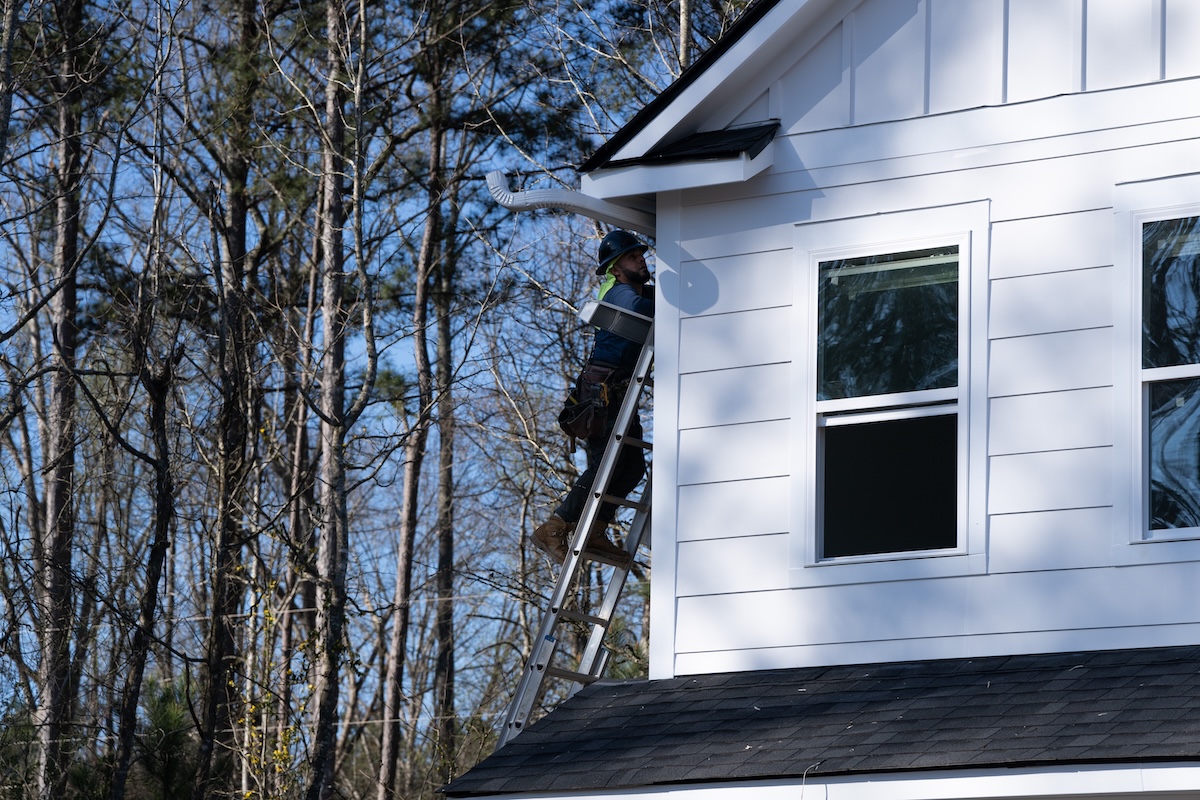
Begin by attaching the downspout outlets to the gutter sections that will connect to the downspouts. Apply sealant to the flange of the outlet and attach it to the gutter section with screws. Next, assemble and attach the downspout sections to the outlets, securing them to the wall with brackets.
Step 2: Installing Gutter Brackets
Install gutter brackets along the roof edge, spacing them no more than 36 inches apart. Ensure that the brackets are properly aligned and slightly sloping towards the downspouts to encourage water flow.
Step 3: Cutting and Joining Gutter Sections
Cut the gutter sections to the appropriate lengths using a hacksaw or tin snips. For corners, use mitered joints or corner pieces to connect gutter sections at the correct angle. Apply sealant to the joints and use screws to secure the sections together.
Step 4: Attaching Gutter Sections to Brackets
Starting at the highest point of the gutter run, attach the gutter sections to the brackets. Use screws to secure the gutters in place, making sure they are level and properly aligned. Repeat this process along the entire gutter run, ensuring each section is connected and sealed.
Step 5: Connecting Gutters to Downspouts
Finally, connect the gutter sections to the downspouts using elbows and downspout extensions as needed. Ensure a watertight seal by applying sealant and using screws to secure the connections.
Maintenance Tips for Your Gutter System
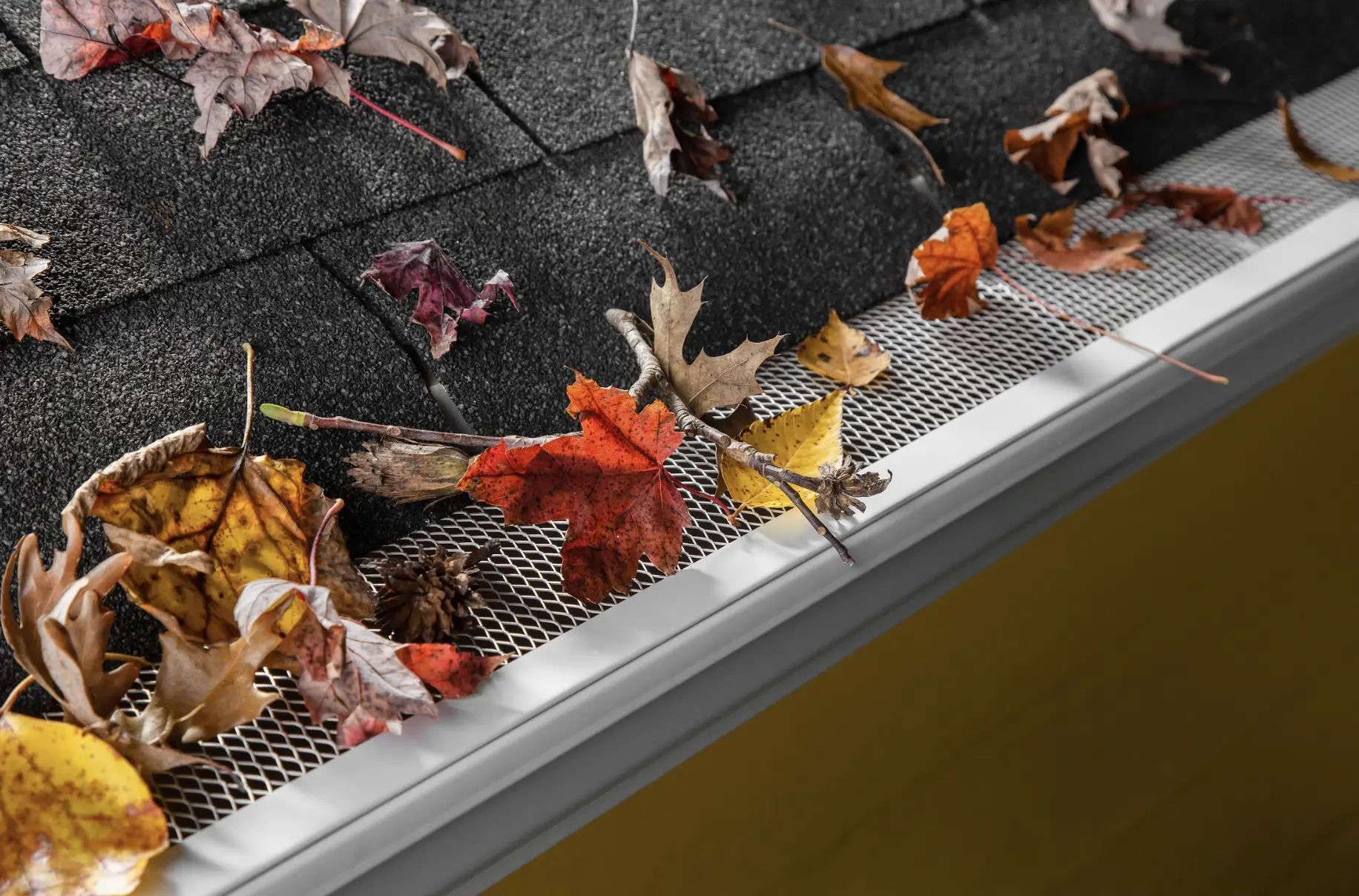
Proper maintenance is crucial for the longevity of your gutter system. Regularly clean your gutters, removing leaves and debris that can cause clogs and damage. Inspect the gutter system for signs of wear, damage, or loose connections, and address any issues promptly. Additionally, consider installing gutter guards to minimize debris accumulation and reduce maintenance needs.
Hiring a Professional Gutter Installer
While gutter installation can be a DIY project, hiring a professional gutter installer can save time, ensure proper installation, and provide you with peace of mind. Research local gutter installation companies, read reviews, and obtain quotes to find a reputable installer that meets your needs and budget.
Installing a gutter system is an essential home improvement project that protects your home from water damage. By choosing the right gutter system, planning appropriately, and following a step-by-step installation guide, you can successfully complete this project and maintain the longevity of your gutters.
Frequently Asked Questions About Gutter System installations
How often should gutters be cleaned?
Gutters should be cleaned at least twice a year, typically in the spring and fall. However, if you live in an area with a lot of trees or experience heavy storms, you may need to clean your gutters more frequently.
What is the average cost of gutter installation?
The cost of gutter installation varies depending on factors such as the material, style, and size of your gutter system, as well as labor costs in your area. On average, gutter installation can cost between $3 and $30 per linear foot, with most homeowners spending around $1,000 to $2,000 for a complete installation.
What is the purpose of gutter guards?
Gutter guards are designed to prevent leaves, twigs, and other debris from entering and clogging your gutters. They allow water to flow freely through the gutter system while keeping debris out, reducing the need for frequent cleanings and minimizing the risk of water damage caused by clogged gutters.
How do I know if my gutters need to be replaced?
Signs that your gutters may need to be replaced include visible damage (cracks, holes, or sagging), frequent clogging, water damage near the foundation or fascia, and rust or corrosion on metal gutters. If your gutters are more than 20 years old, it may also be time to consider replacement.
Can I paint my gutters to match my home's exterior?
Yes, you can paint your gutters to match your home's exterior. Aluminum and steel gutters can be painted, while vinyl gutters typically come in a variety of colors. However, painting gutters requires proper preparation and the right type of paint to ensure a long-lasting finish. Consider consulting with a professional if you're unsure about the painting process.
.jpg)

