A homeowner’s responsibilities encompass an extensive array of tasks, and maintaining the home's exterior is a key component. One crucial yet often overlooked aspect is the gutter system, and more specifically, the number of gutter downspouts required for optimal function. This article will guide you through understanding gutters and downspouts, their importance, and the factors influencing how many downspouts you'll need for your home.
Understanding Gutters and Downspouts
The Purpose of Gutters
Gutters are a vital part of your home's exterior, tasked with controlling the flow of rainwater to protect your roof, walls, and foundation from water damage. They guide the rainwater off your roof and direct it away from your home, thereby preventing issues like soil erosion, leaky basements, and damage to the home's structural integrity.
The Role of Downspouts
Downspouts are essentially the conduits that carry water from the gutters to the ground or drainage system. Positioned vertically, they ensure rainwater is efficiently directed away from your home's foundation, safeguarding it from potential water damage.
The Structure of a Gutter System

Components of a Gutter System
A gutter system comprises multiple components, including the gutter troughs, gutter hangers, downspouts, and downspout extensions. Each element plays a role in capturing and diverting rainwater effectively.
Types of Gutters
There are various types of gutters, including K-style, half-round, and box gutters. Each type has its pros and cons and is suitable for different styles and ages of homes. Your choice may depend on your home's architectural style, the climate in your area, and your aesthetic preferences.
Importance of Correct Downspout Placement
Avoiding Water Damage
Proper downspout placement is critical in preventing water damage to your property. Without adequate downspouts, gutters can overflow during heavy rain, causing water to pool around the base of your home. This can lead to soil erosion and water intrusion into your basement or crawl space, potentially causing extensive and costly damage.
Ensuring Optimal Functioning
For your gutter system to function at its best, the downspouts must be correctly installed and distributed along the gutter line. An insufficient number of downspouts can lead to water overflow, while too many can disrupt the aesthetic appeal of your home's exterior.
Home Aesthetics
While functional aspects should be prioritized, aesthetics matter too. You want your downspouts to blend seamlessly with your home's exterior design. Improper placement can cause visual discord, so take time to plan where they will go.
How Many Downspouts Do You Need?

Calculating Downspouts Based on Gutter Length
The general rule of thumb is one downspout for every 20-30 feet of gutter. This may vary depending on several factors such as the pitch of your roof, the volume of rainfall in your area, and the capacity of your gutters.
Climate Considerations
If you live in an area with heavy rainfall, you may need more downspouts than the general guideline suggests. More downspouts can handle a greater volume of water, reducing the likelihood of overflow.
Downspout Placement
Equally important is the placement of your downspouts. Ideally, they should be evenly spaced to distribute water flow evenly and minimize the risk of gutter overflow.
Types of Downspouts
Rectangular Downspouts
Rectangular downspouts are commonly used due to their efficient design. They are available in several sizes and materials to cater to varying needs and preferences.
Round Downspouts
Round downspouts are often found in older or historical buildings. They can offer a different aesthetic appeal and are as functional as rectangular ones.
Custom Shapes
For homeowners looking for something unique or trying to match a particular architectural style, custom-shaped downspouts are available. These are generally more expensive and might require professional installation.
Downspout Sizes and Materials

Common Sizes
The most common downspout sizes are 2x3 inches and 3x4 inches. Larger options like 4x5 inches are available for areas with high rainfall.
Choosing the Right Size
The size of your downspouts should be based on the size of your gutters, the volume of rainfall your home receives, and the aesthetic compatibility with your home. Larger downspouts handle more water, but they might be visually intrusive for some homes.
Material Considerations
Downspouts come in a variety of materials, including aluminum, copper, vinyl, and steel. Each material has its pros and cons in terms of durability, cost, maintenance, and aesthetics.
Installing Downspouts
Professional Installation
Professional installation is often the safest and most reliable option. Professionals have the expertise to ensure your downspouts are properly installed, correctly distributed, and securely fastened to your home.
DIY Approach
If you're handy around the house, you might consider a DIY approach. It's essential to research thoroughly, have the right tools on hand, and follow safety precautions.
Safety Precautions
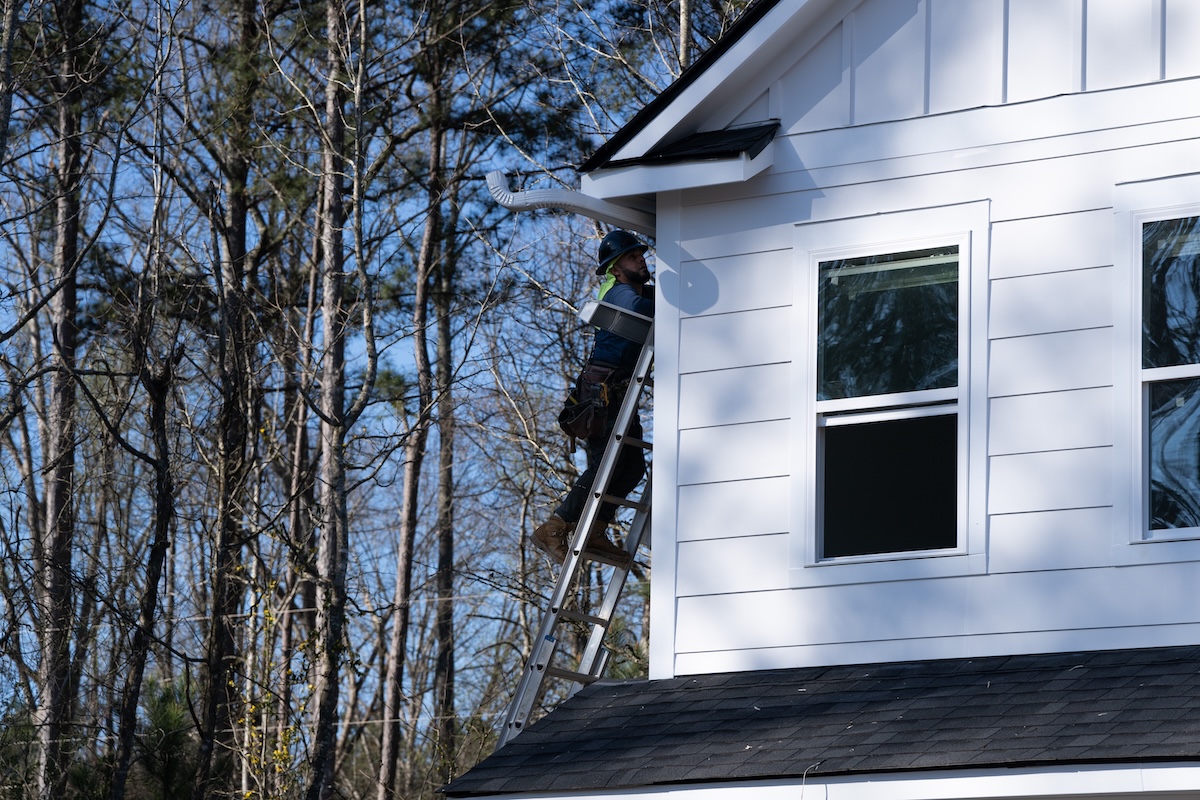
Whether you opt for professional installation or DIY, safety is paramount. Always ensure that ladders are stable and that power tools are used with care. Remember that working at heights can be dangerous.
Maintaining Your Downspouts
Routine Maintenance Tips
Maintaining your downspouts is key to prolonging their lifespan and ensuring optimal function. This includes regular cleaning, checking for leaks, and making sure they're securely attached to your home.
Signs of Downspout Problems
Signs of problems include water pooling around your home's foundation, gutters overflowing during rain, or visible damage to the downspouts. If you notice any of these signs, it's time to address the issue.
When to Replace Downspouts
Typically, downspouts last as long as your gutters (about 20 years for aluminum). Damage or poor performance may require them to be replaced sooner.
Conclusion
Understanding the importance of gutter downspouts and knowing how many you need for your home is crucial for maintaining your home's exterior. By considering your home's specific requirements and regular maintenance, you can ensure the longevity and effectiveness of your gutter system.
FAQs
How often should I clean my downspouts?
It is recommended to clean your downspouts at least twice a year. If you live in a region with heavy rainfall or your home is surrounded by trees, you may need to do it more frequently.
Can I install downspouts myself?
While it's possible to install downspouts yourself, it's usually recommended to hire a professional, especially if you're not comfortable working at heights or handling power tools.
What are some signs of downspout problems?
Signs of downspout problems include water pooling near your foundation, gutters overflowing during rainstorms, or visible damage to the downspouts.
How long do downspouts last?
Typically, downspouts last as long as your gutters. For aluminum gutters and downspouts, this is usually about 20 years. However, this can vary based on the material and the local climate.
What material is best for downspouts?
The best material depends on your specific needs and preferences. Aluminum is a popular choice due to its durability, affordability, and ease of installation. Copper and steel are more expensive but can offer greater durability and a unique aesthetic appeal.
.jpg)

